60 DAYS RETURN POLICY
FAST WORLDWIDE SHIPPING
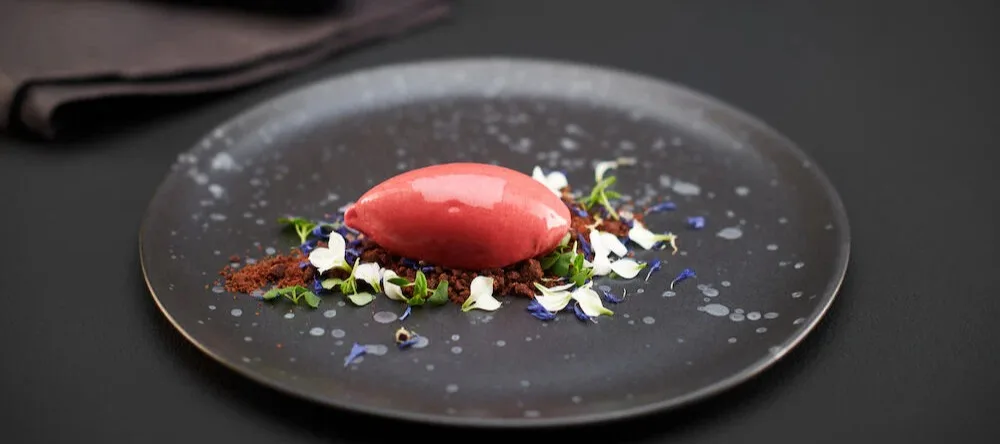
Ice cream school part 3: How to make a refreshing sorbet
Once you understand the basics of frozen desserts, learning how to make sorbet is a natural next step. Sorbet is lighter than ice cream, made without dairy, and relies on fruit, sugar, and technique to create a smooth, refreshing texture.
Why we think sorbet belongs in every menu
Sorbet is one of the most versatile elements in a menu. It can be served as a dessert, a palate cleanser, or even as part of a savoury dish. A classic approach is to serve a small scoop of sorbet with a splash of alcohol before the main course cleansing the palate and preparing it for what comes next.
Sorbet also pairs beautifully with ice cream. A rich chocolate ice cream with a bright mango sorbet is a perfect contrast. But sorbet goes far beyond desserts. More expressive, flavour-forward sorbets can elevate starters and in-between courses in unexpected ways.
How to make sorbet: the basic method
If you’re wondering how to make sorbet at home, the process is surprisingly simple. The foundation is fruit purée mixed with sugar syrup, then frozen while being stirred. That’s it.
An ice cream maker helps achieve the best texture, but it’s not essential. A hand blender and a bit of creativity will take you far. For more complex sorbets—like beetroot—you may need a juicer, but most recipes require very little equipment.
Sugar syrup: the key to smooth sorbet
Understanding sugar is essential when learning how to make sorbet.
The basic ratio:
- 1 part sugar
- 1 part water
- 1 part fruit purée
Heat the sugar and water to create a syrup, let it cool, then mix with the fruit purée. From there, you can adjust depending on the fruit and the flavour you want to achieve.
Sweeter fruits may need less sugar, while tart fruits may need more. You can also experiment with alternatives like honey or different syrups, replacing part of the sugar with honey, for example, can create a smoother texture and a more rounded flavour.
Should sorbet contain dairy or gelatin?
A classic sorbet does not contain dairy. However, a small amount of milk can sometimes soften very sharp flavours. Citrus fruits like lemon, lime, or green apple may benefit from a slight rounding of acidity.
Gelatin is another debated ingredient. It can improve texture and stability, but some argue it affects flavour—and it’s not suitable for vegan sorbet. Whether you use it or not is entirely up to you.
Choosing flavours based on when you serve your sorbet
When learning how to make sorbet, it’s not just about flavour, it’s about timing.
Dessert sorbets
For dessert, fruit sorbets work best. Think:
rhubarb, apple, strawberry, mango, raspberry, blueberry, citrus, pear, melon, pineapple.
These are best kept clean and simple, letting the fruit shine without too many added spices or competing flavours.
Sorbet as a starter or palate cleanser
Here, you can be more creative.
Vegetable-based sorbets are surprisingly effective:
- Beetroot with horseradish
- Bell pepper with scallops
- Carrot, tomato, or pomegranate
The key is to choose ingredients with natural sweetness. You can also enhance them with flavour pairings, like raspberry with pepper or orange with carrot.
How to flavour sorbet for more depth
Flavouring the sugar syrup is one of the best ways to add complexity, especially for savoury or in-between courses.
Great combinations include:
- Ginger and citrus for freshness
- Herbs like rosemary, thyme or sage
- Strawberry with black pepper or basil
- Beetroot with clove
Stronger base ingredients can handle bolder spices, creating more dynamic and memorable sorbets.
Granita: an easy alternative to sorbet
If you want to learn how to make sorbet without an ice cream maker, granita is a great alternative.
Granita is essentially a looser, more crystalline version of sorbet, served in a glass. It requires less sugar and no churning.
Basic ratio:
- 1 part sugar
- 3 parts water
Freeze the mixture in a shallow tray and scrape it regularly with a fork to create crystals.
Granita works beautifully as a starter, palate cleanser, or light dessert. It also pairs well with alcohol and can even be served with a slightly coarse texture, almost like a frozen salsa.
Adding alcohol to sorbet
Alcohol can add complexity to sorbet, but it needs to be handled carefully.
Examples:
- Red wine with blackcurrant
- Rum with bell pepper
- Campari with orange
Too much alcohol will prevent the sorbet from freezing properly. That’s why some recipes include egg white for structure. A simpler solution is to serve the alcohol alongside—or pour it over just before serving.
Once you understand how to make sorbet, you unlock a highly flexible and creative part of cooking. Whether you’re aiming for a clean fruit dessert or a bold, savoury palate cleanser, the same simple method applies.
Discover parts 1 and 2 of our Ice cream school here:
Ice cream makers
See more
Customer Service
Selection
Inspiration