60 DAYS RETURN POLICY
FAST WORLDWIDE SHIPPING
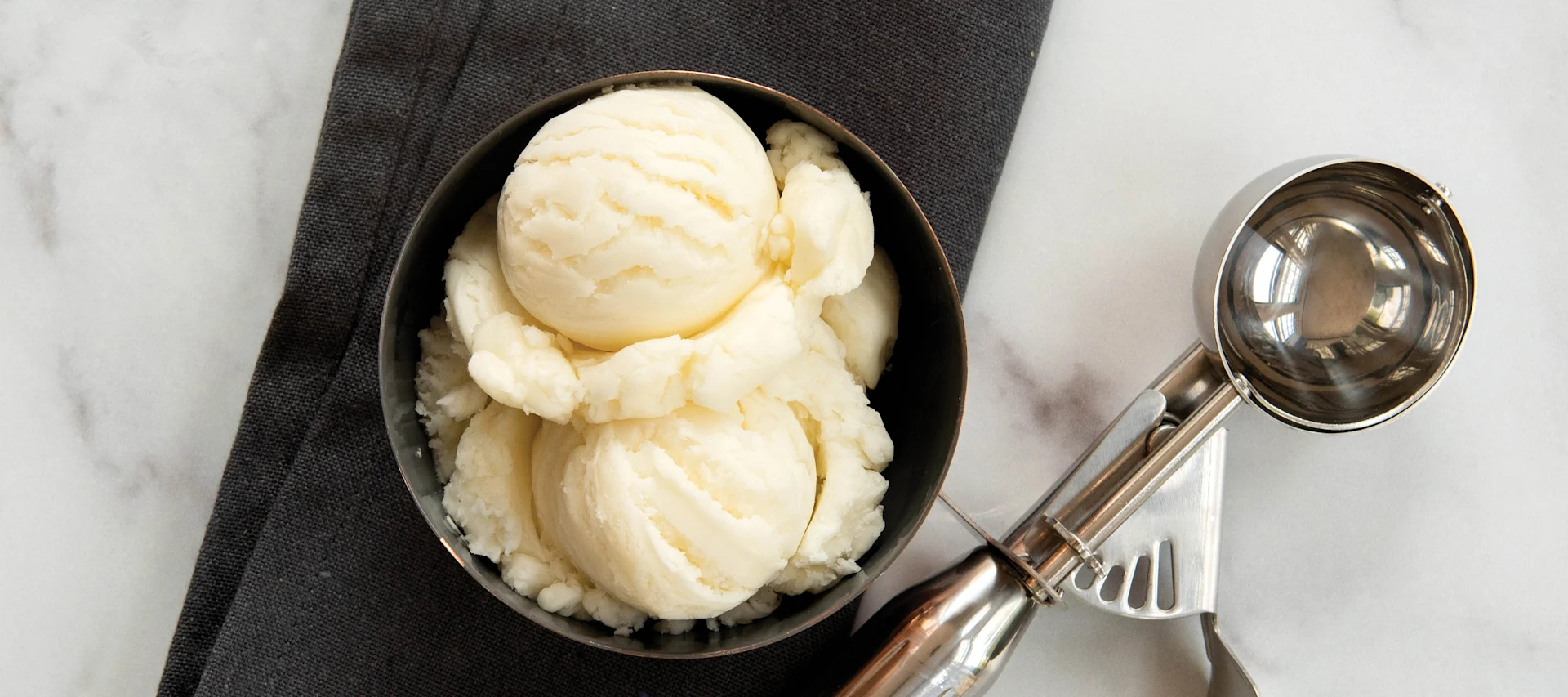
How to make ice cream at home: Ice Cream School Part 1 – Classic vanilla
How to make ice cream at home: Start with real ingredients
If you’ve ever searched for how to make homemade ice cream, then look no further. Before experimenting with flavours like banana or chocolate, it’s essential to understand the fundamentals.
To truly learn how to make ice cream, you need to start with the right ingredients. Real ice cream is made with milk, cream, sugar, real vanilla and sometimes eggs depending on the style of ice cream.
Most commercial versions of vanilla ice cream barely resemble the real thing. Industrial ice cream is often filled with stabilizers, emulsifiers and artificial flavourings. So if you want to understand how to make real homemade ice cream that actually tastes like vanilla, there are no shortcuts. Real ingredients are the difference between something good and something unforgettable.
Understanding different styles
Before diving deeper into how to make ice cream at home, it helps to understand the different styles:
- French ice cream (custard-based): Rich and creamy, made from a crème anglaise base with eggs. This is the foundation of most classic vanilla ice cream recipes.
- Italian gelato: Lighter and milk-based, often with a subtle citrus note. If you're exploring how to make ice cream without ice cream maker, gelato techniques can sometimes be adapted.
- American-style ice cream: Sweet, creamy and typically made without eggs.
Understanding these styles helps you adapt your approach depending on whether you're making vanilla, strawberry, or even exploring how to make chocolate ice cream later on.
How to make homemade ice cream: Three essential steps
No matter which variation you’re aiming for whether it's a vanilla ice cream recipe or learning how to make banana ice cream the process always comes down to three key steps:
1. Preparing the ice cream base
Milk, cream and sugar form the base of most recipes. Eggs are often added for richness, especially in classic vanilla ice cream.
When learning how to make ice cream, this stage is crucial. Heating the mixture improves texture by breaking down proteins, resulting in smaller ice crystals and a smoother finish.
If you're exploring alternatives like how to make vegan ice cream this step will differ, but the principle remains the same: balance fat, sugar and liquid for the right texture.
2. Cooling the base
Once heated, the mixture must be cooled quickly. This is essential for both safety and texture. An ice bath speeds up the process and helps maintain quality.
If you're serious about learning how to make homemade ice cream, don’t skip this step. Proper cooling ensures a smoother result and prevents unwanted flavours.
Let the mixture rest for at least a few hours, ideally overnight, this resting period improves consistency and enhances flavor.
3. Freezing and churning
This is where the transformation happens. Whether you're researching how to make ice cream with an ice cream maker or how to make ice cream without ice cream maker, the goal is the same: freeze the mixture while incorporating air.
Churning creates that signature creamy texture. The faster the freezing process, the smaller the ice crystals, and the better the final result.
Even no-churn methods aim to replicate this effect, though traditional churning delivers the smoothest consistency.
Once you understand how to make ice cream at home, you gain complete control over ingredients, flavour, and texture. Regardless of the variation, everything comes back to mastering the basics, that’s where the real magic happens.
From home made vanilla ice cream to ulimited variations
Mastering a classic vanilla ice cream recipe is just the beginning. Once you’ve learned how to make vanilla ice cream, you can branch out into endless variations from fruit-based flavours like banana and strawberry to indulgent options like chocolate or Nutella.
The technique stays the same. Only the imagination changes.
So if you’ve been wondering how to make homemade ice cream that truly stands out, start here.
Discover parts 2 and 3 of our ice cream school here, and learn how to flavour your ice cream or make a deliciously refreshing sorbet:
RECIPE
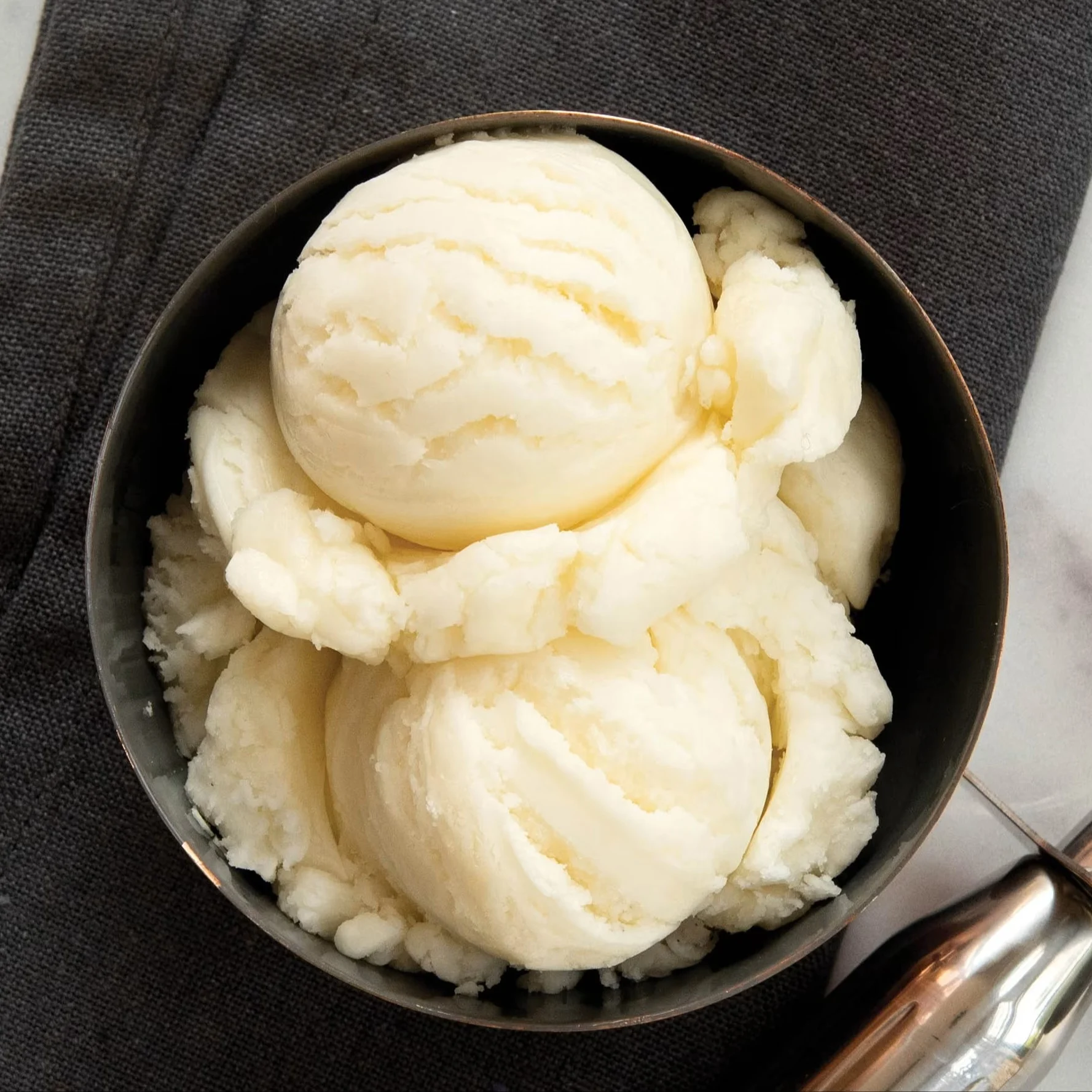
Vanilla Ice Cream
A classic vanilla ice cream is the foundation of all great homemade ice cream. This custard-based version delivers a rich, smooth texture and deep vanilla flavor—perfect as is or as a base for other creations.
RECIPE
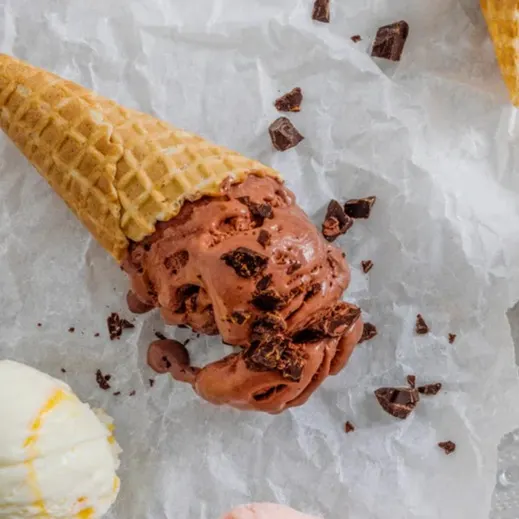
Chocolate Ice Cream
Make rich chocolate ice cream with eggs using a custard base. Deep cocoa flavor and smooth, creamy texture in every bite.
RECIPE
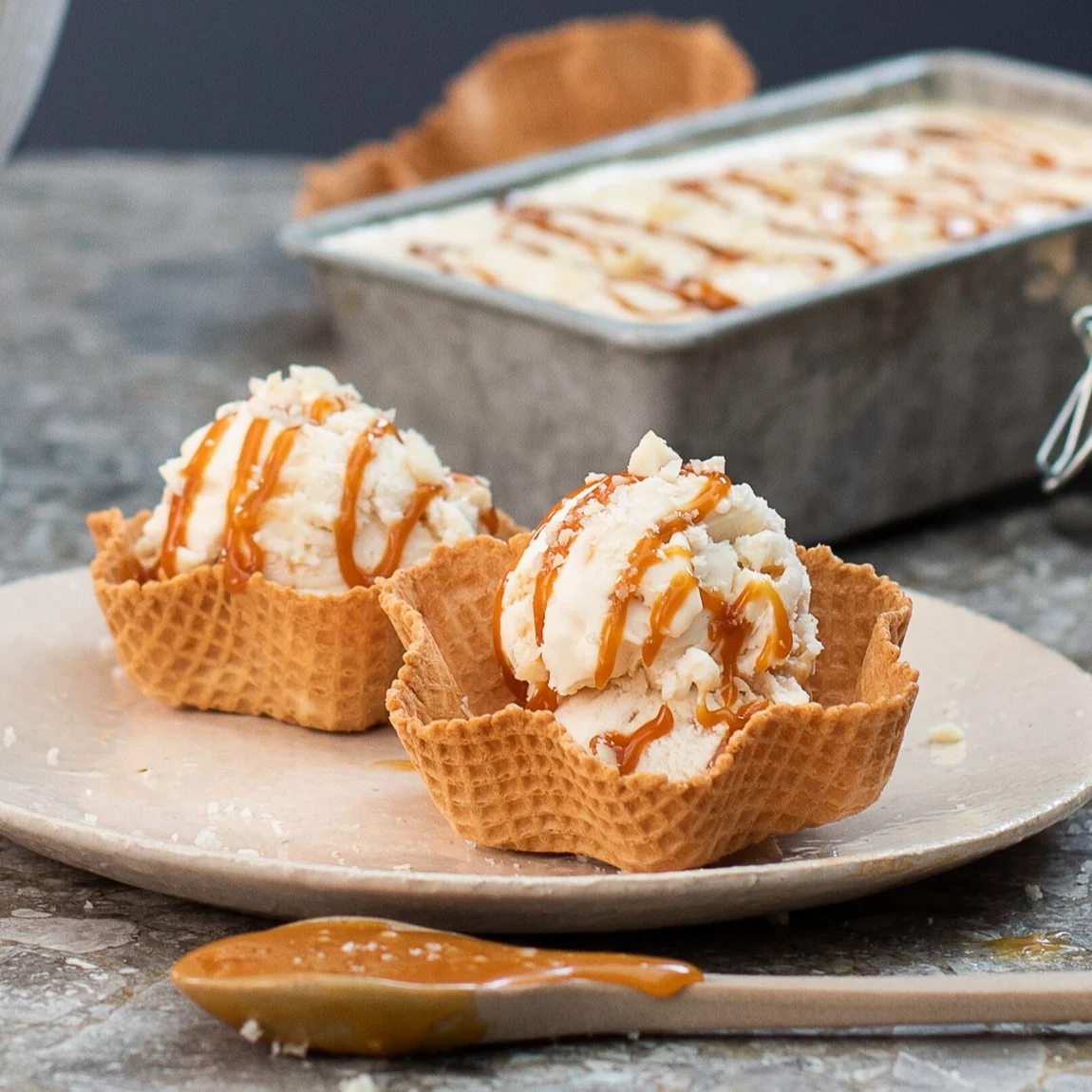
Banana Ice Cream
This egg-free banana ice cream is a simpler take on classic homemade ice cream. Instead of a custard base, it relies on ripe bananas for natural sweetness and texture, combined with cream for richness.
RECIPE
Strawberry Ice Cream
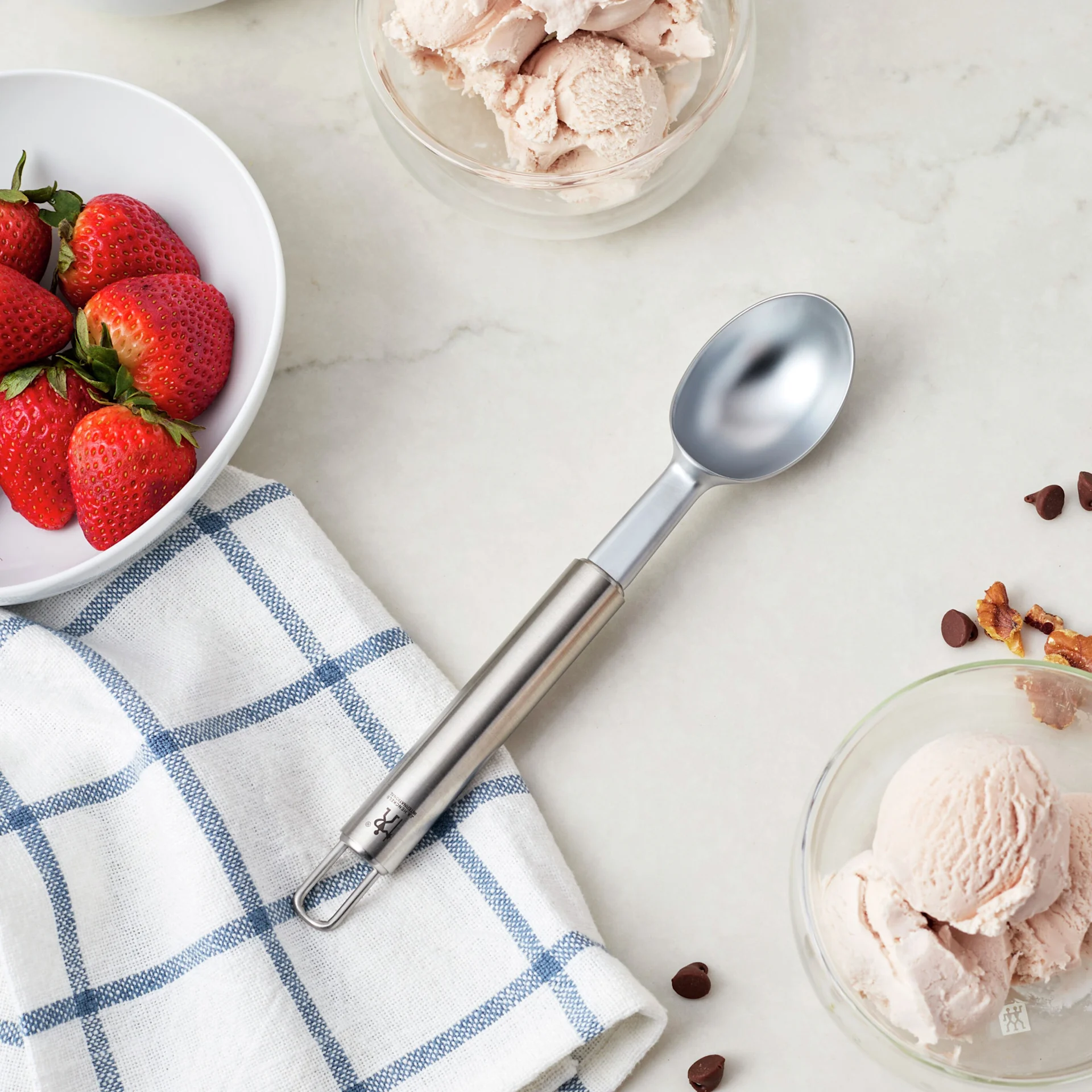
Strawberry ice cream combines the richness of custard with the freshness of real berries. The result is a perfectly balanced, creamy yet vibrant dessert.
Ice cream makers
See more
Customer Service
Selection
Inspiration