60 DAYS RETURN POLICY
FAST WORLDWIDE SHIPPING
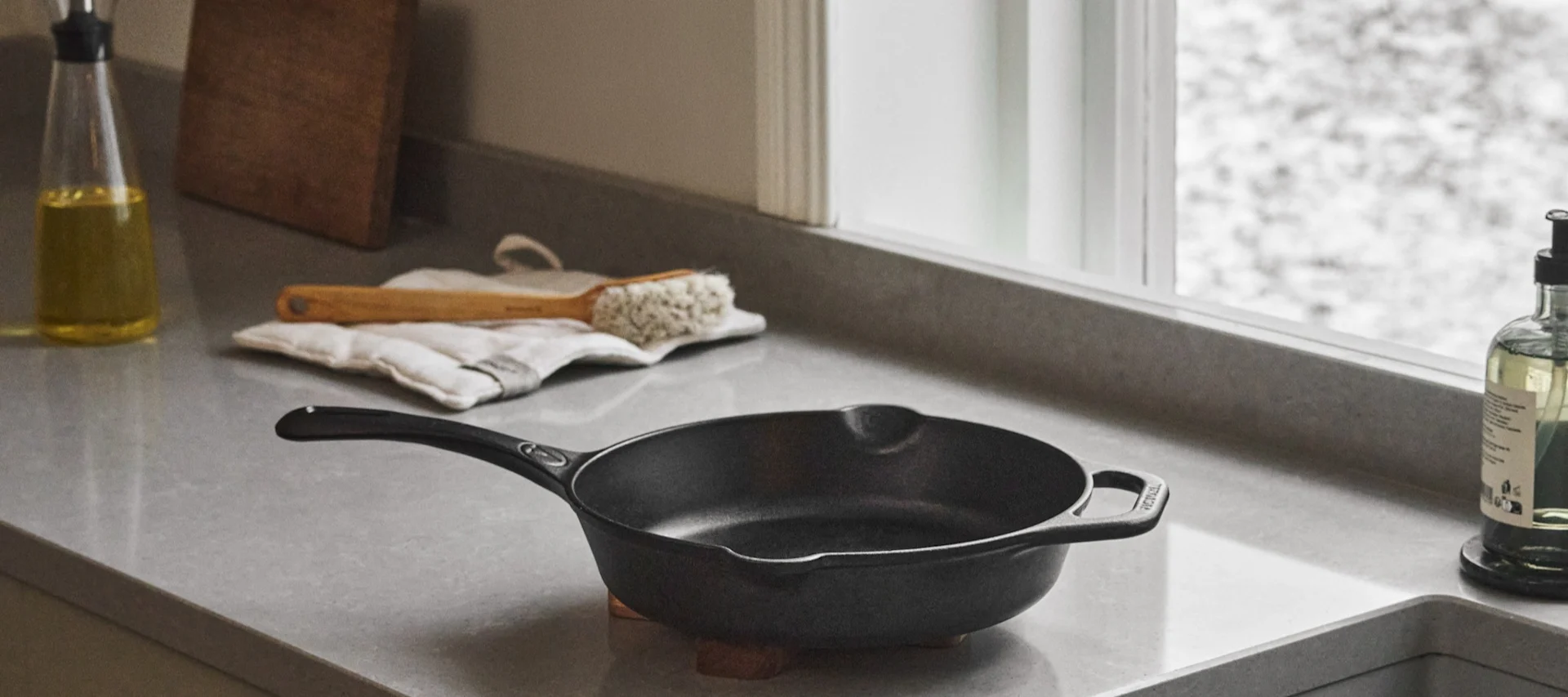
Cast iron care guide - How to wash and season your cast iron pan
How to clean cast iron pans, remove rust, and season for long-lasting performance.
Cast iron only gets better with time, as long as you treat it right. With proper care, your pan will develop a naturally non-stick surface and last for generations. Here’s everything you need to know.
Thursday, September 18, 2025
Share this article
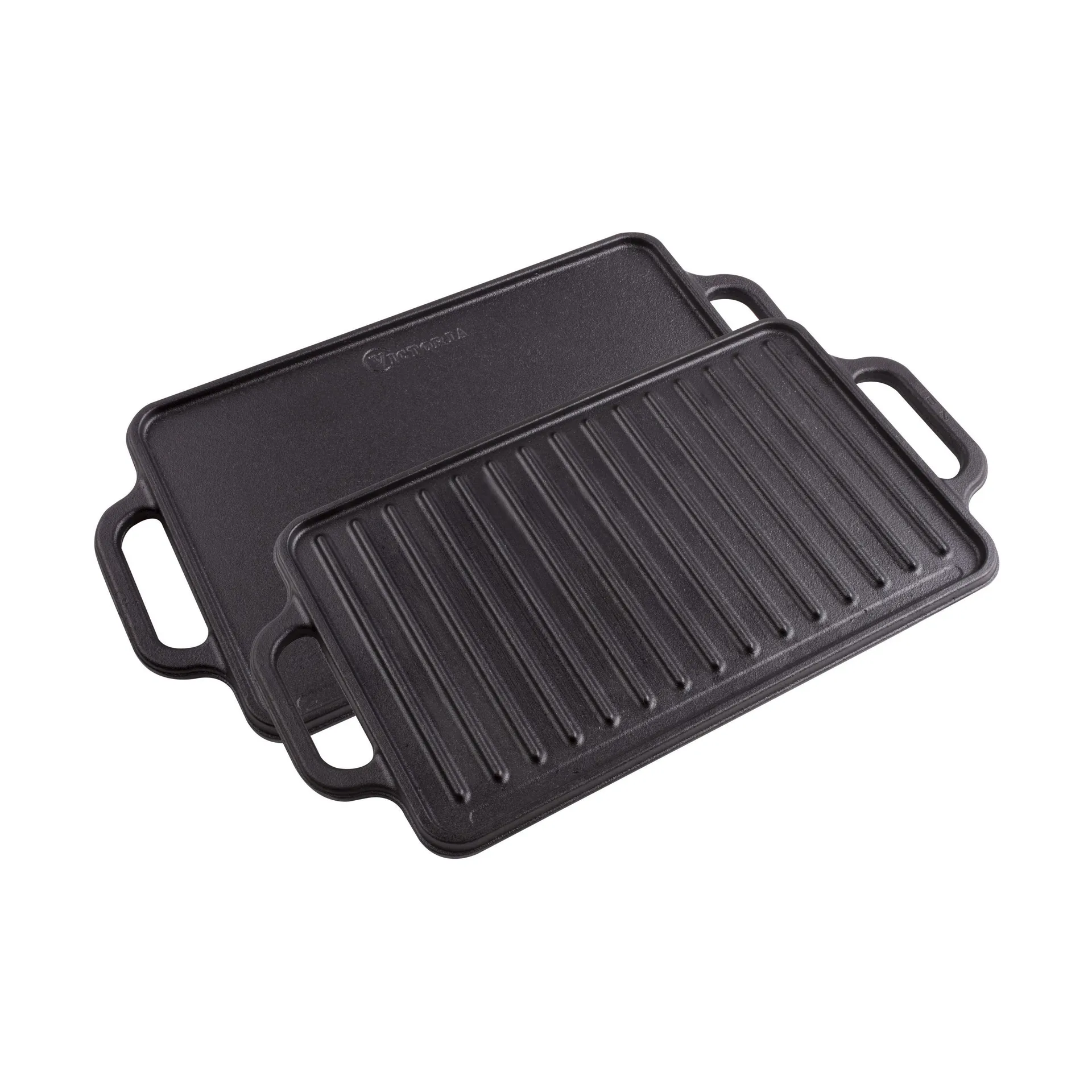
Before first use
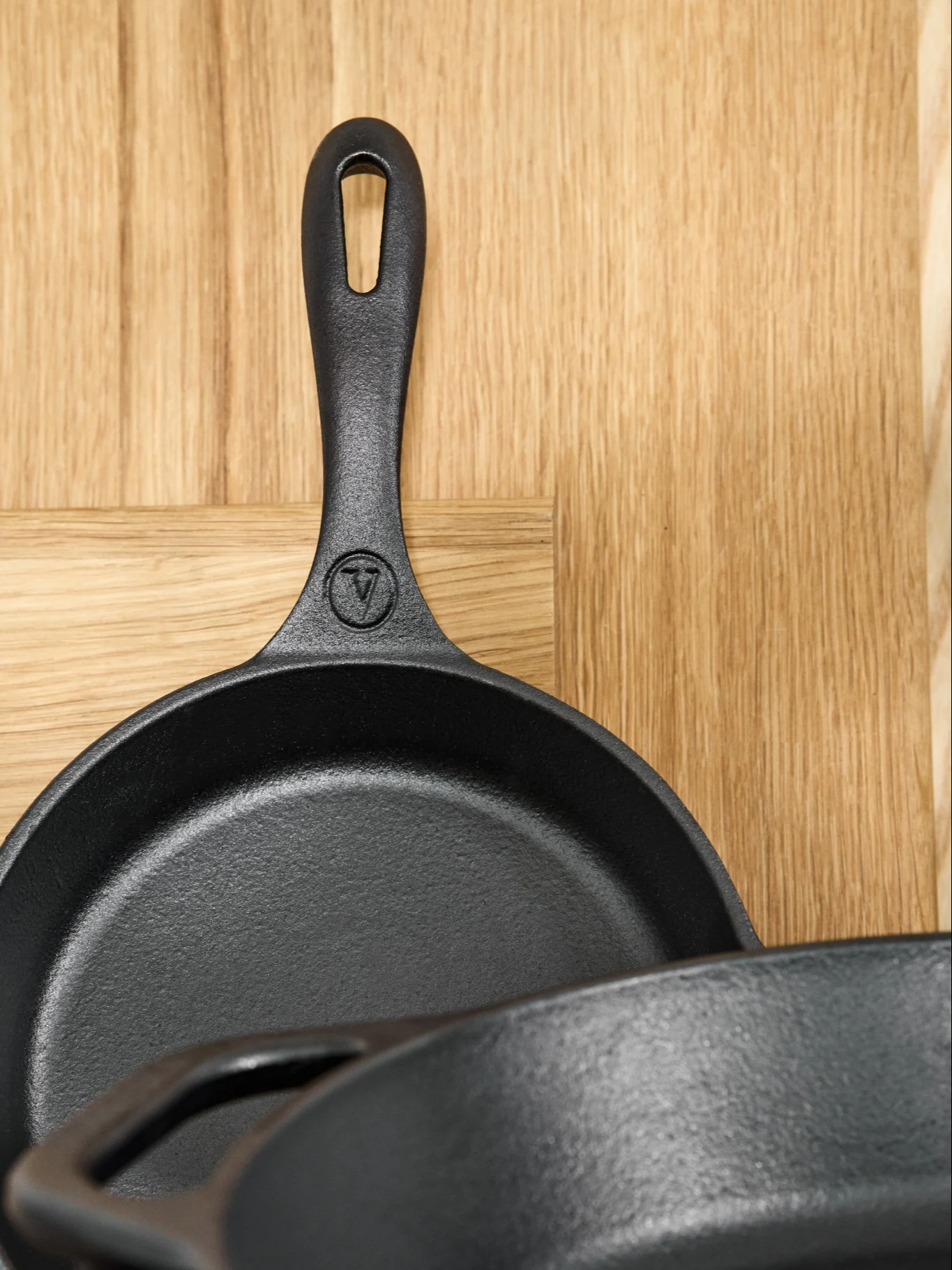
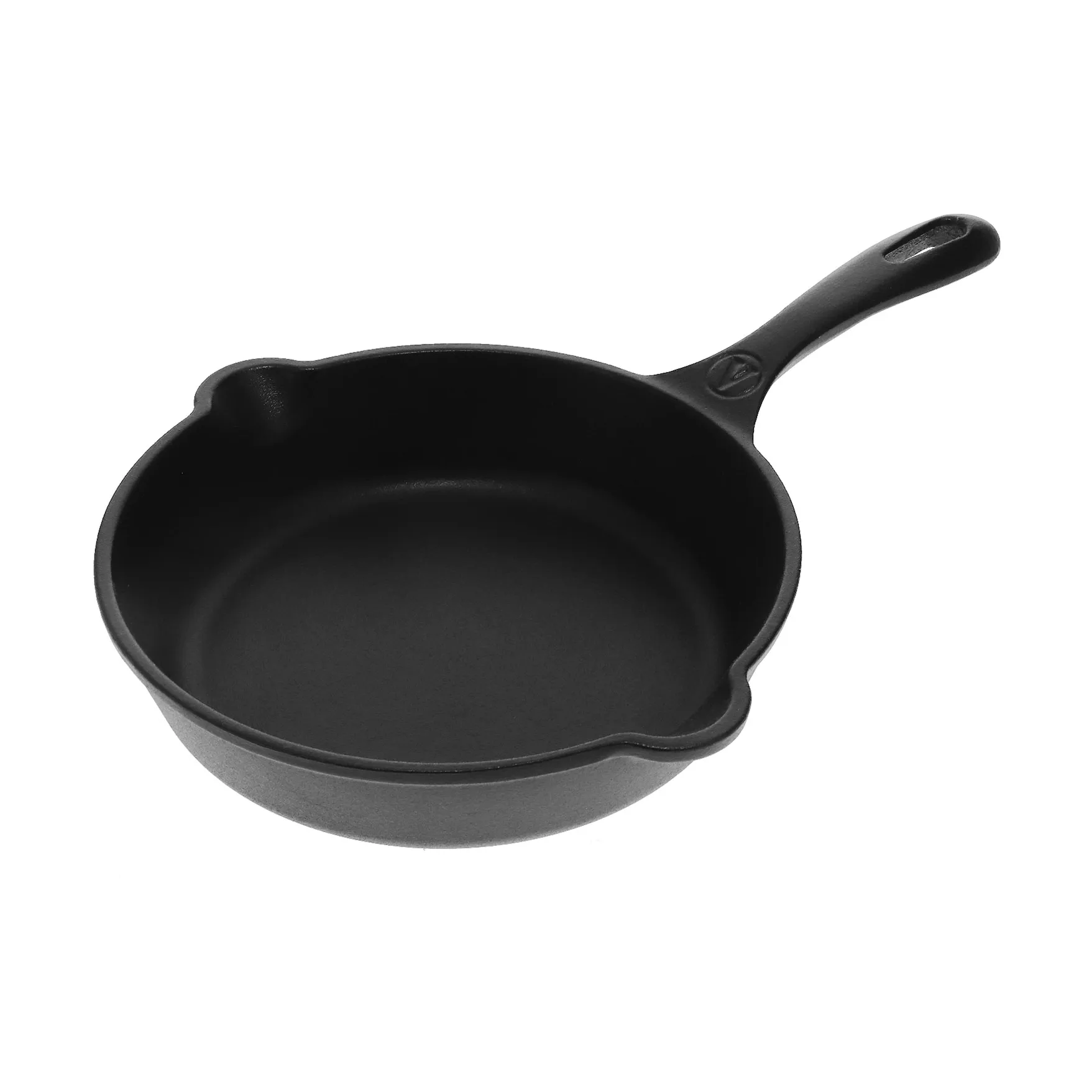
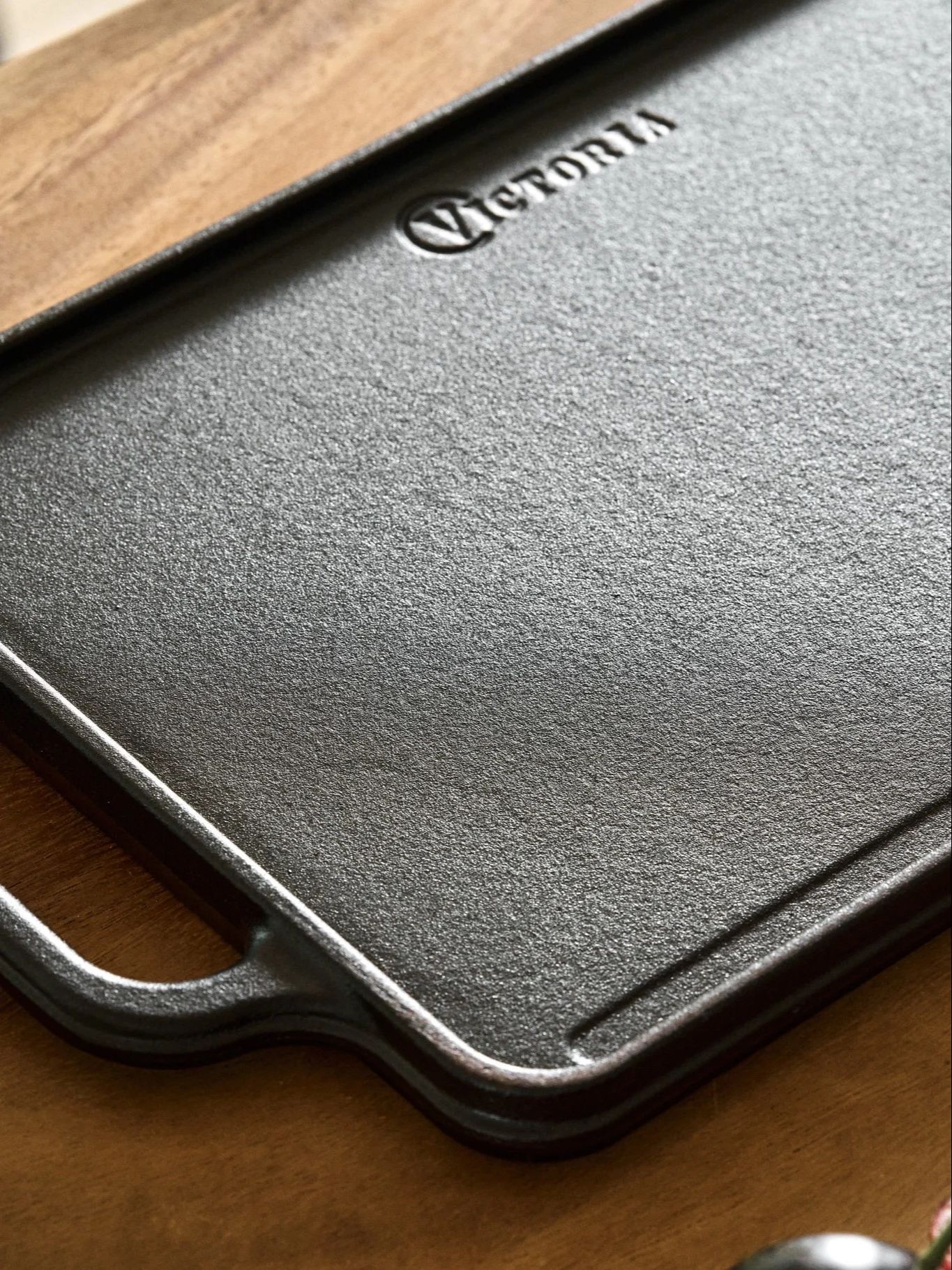
If you are using a cast iron pan for the first time here are a few tips to help you get started. Most cast iron pans will arrive pre-seasoned and ready to use.
Before you begin
- Wash by hand using warm water and a small amount of mild dish soap.
- Dry immediately and thoroughly with a lint-free towel. Never air dry — moisture leads to rust.
- Apply a thin layer of cooking oil to the inside surface before storing.
First cook
- Use a little extra oil or fat for the first few uses while the seasoning strengthens.
- Hold off on cooking highly acidic foods (like tomatoes, citrus, or vinegar-based dishes) until the surface has built up a stronger seasoning layer.
- Additional home seasoning is optional as regular cooking naturally improves the surface over time.
How to wash a cast iron pan
If you’ve ever wondered how to clean cast iron pan properly without damaging it, here is the best way to keep your cast iron pan looking and feeling its best.
- Avoid the dishwasher
After cooking allow the pan to cool slightly until it is safe to handle, for easiest cleaning make sure you clean it while it is still warm. Handwash your pan with warm water and mild dish soap. Note: mild dish soap will not damage your seasoning. - If you have stuck on food
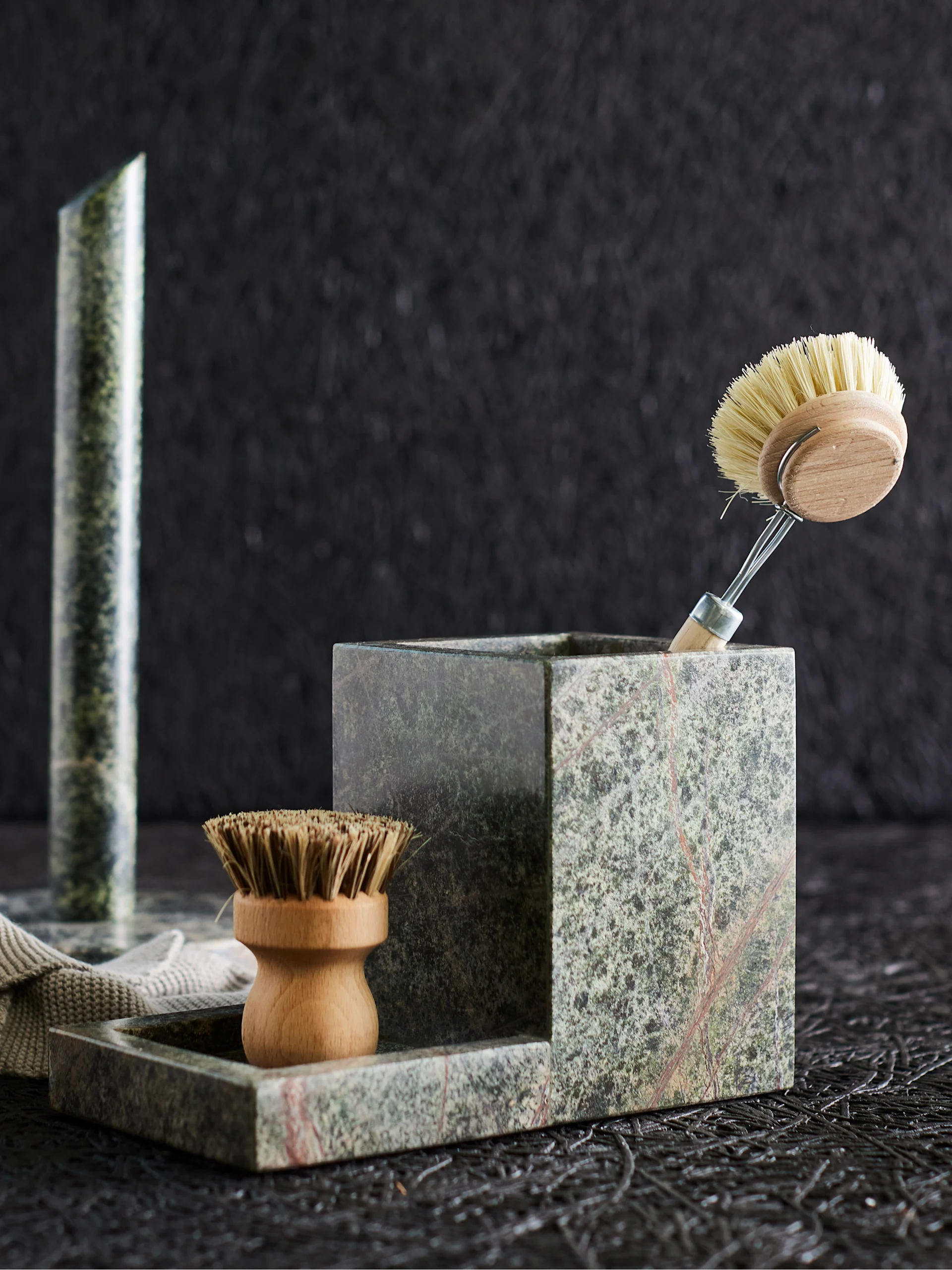
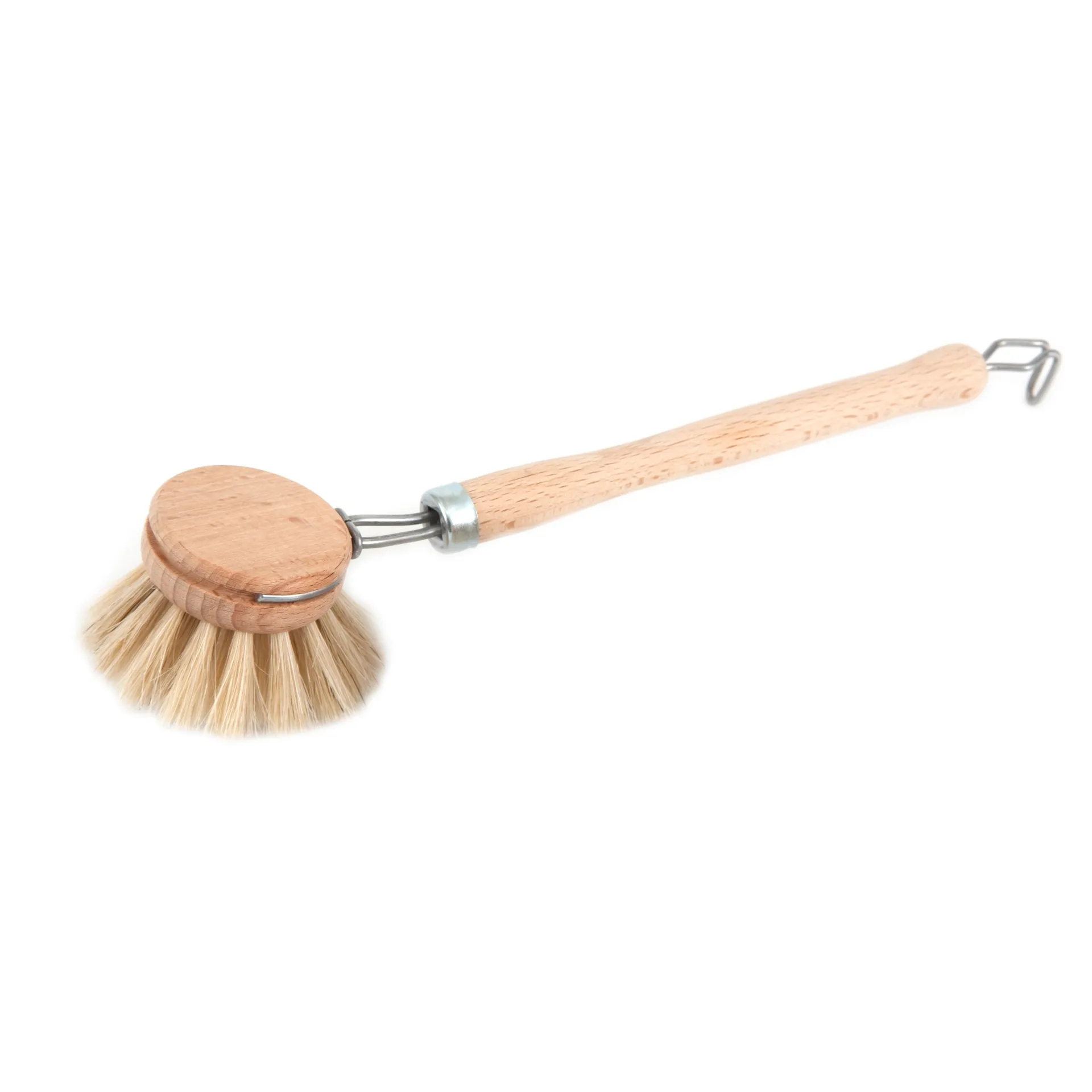
Use a pan scraper, coarse salt or a non-abrasive brush but avoid harsh steel wool unless you intend to remove seasoning. - Dry thoroughly
Use a towel to dry your pan, this step is essential, never allow your cast iron to air dry as the moisture can encourage the pan to rust. - Oil your cast iron pan
Rub a very thin, even layer of oil over the cooking surface and rim of the pan.
How to clean a cast iron pan with rust
If your cast iron pan has developed rust don’t worry, it is perfectly fixable, simply follow these steps:
- Remove the rust
Scrub the rusty areas with steel wool or a stiff brush until the metal is clean.
For stubborn rust, use a vinegar-water solution (equal parts vinegar and water) to loosen corrosion. Rinse thoroughly afterward. - Wash and dry
Wash with warm water and mild soap.
Dry completely with a towel.
Place on a warm stovetop briefly to remove any remaining moisture. - Re-season the pan
Once rust is removed, you’ll need to rebuild the protective layer (see below).
How to season a cast iron pan
Seasoning creates the protective, naturally non-stick surface cast iron is known for.
How to season a cast iron pan: Step-by-step
- Clean the pan thoroughly
Make sure the pan is completely free of food residue, old coating, or factory treatment with hot water and a dish brush. - Dry completely
Dry thoroughly with paper towels and then heat the pan on the stove for a few minutes until all the liquid has evaporated. Any remaining moisture can cause rust and destroy the coating. - Lightly oil with a neutral oil
Choose rapeseed, sunflower, or grape seed oil. Avoid olive oil—it has a lower smoke point and can leave a sticky coating instead of a durable surface. Rub a very thin layer of oil over the entire pan, including the outside and handles. The thin layer will form the basis of the protective non-stick surface. - Wipe off any excess
All excess oil must be removed, otherwise the surface will become sticky and uneven. The surface should look almost dry – it is better to use too little oil than too much. - Bake the oil
Place the pan upside down on an oven rack with a baking sheet underneath to catch any drips. Heat at 230–250 °C for about 60 minutes.
On the stove: Heat on the stove until the oil begins to smoke. - Allow to cool slowly
Turn off the oven and allow the pan to cool inside. Slow cooling helps the coating to set properly.
On the stove: Turn off the hob and leave the pan on it. - Repeat if necessary
For a new pan: repeat the process 2–3 times to build a strong base. You can then add individual layers as needed.
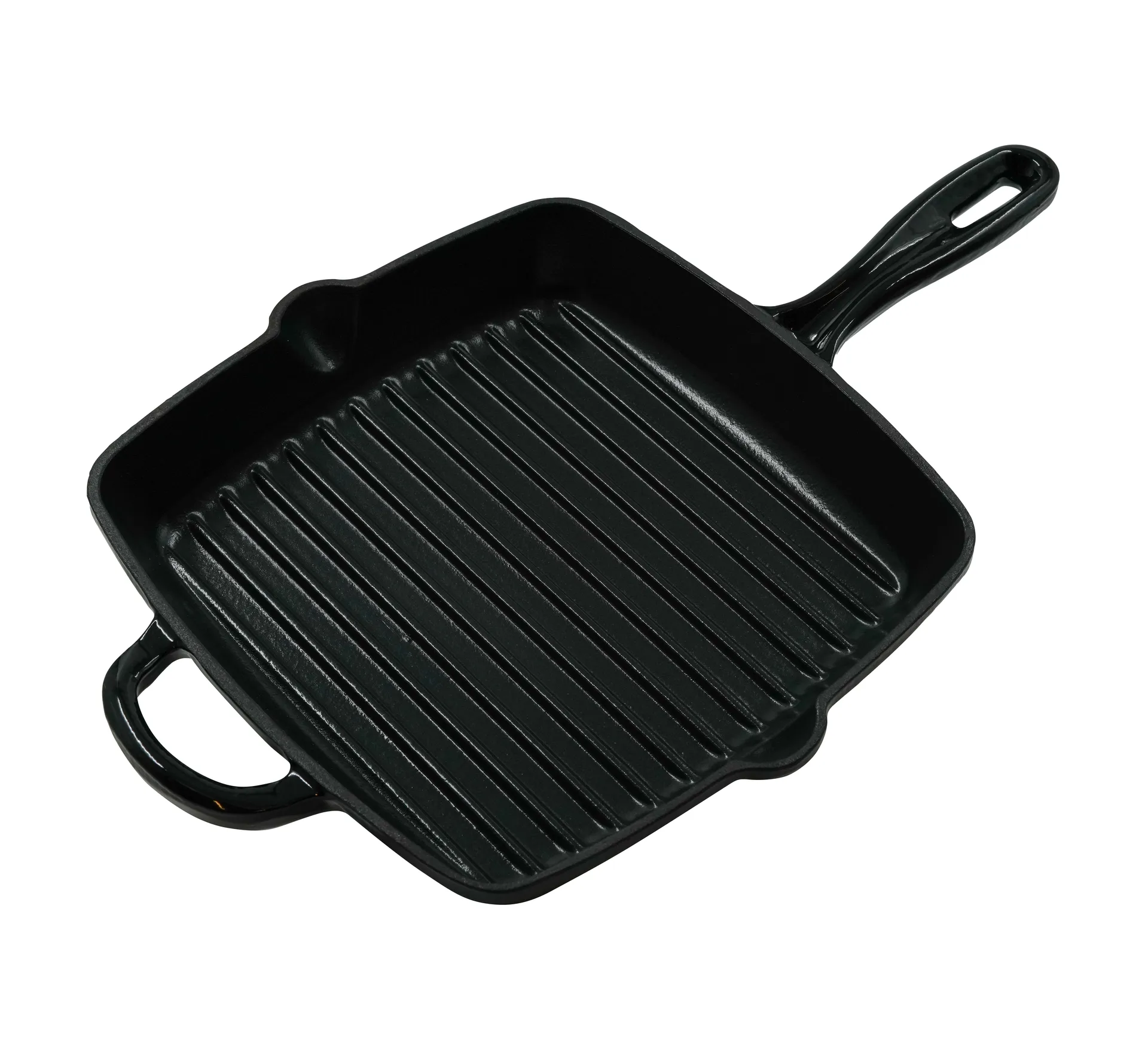
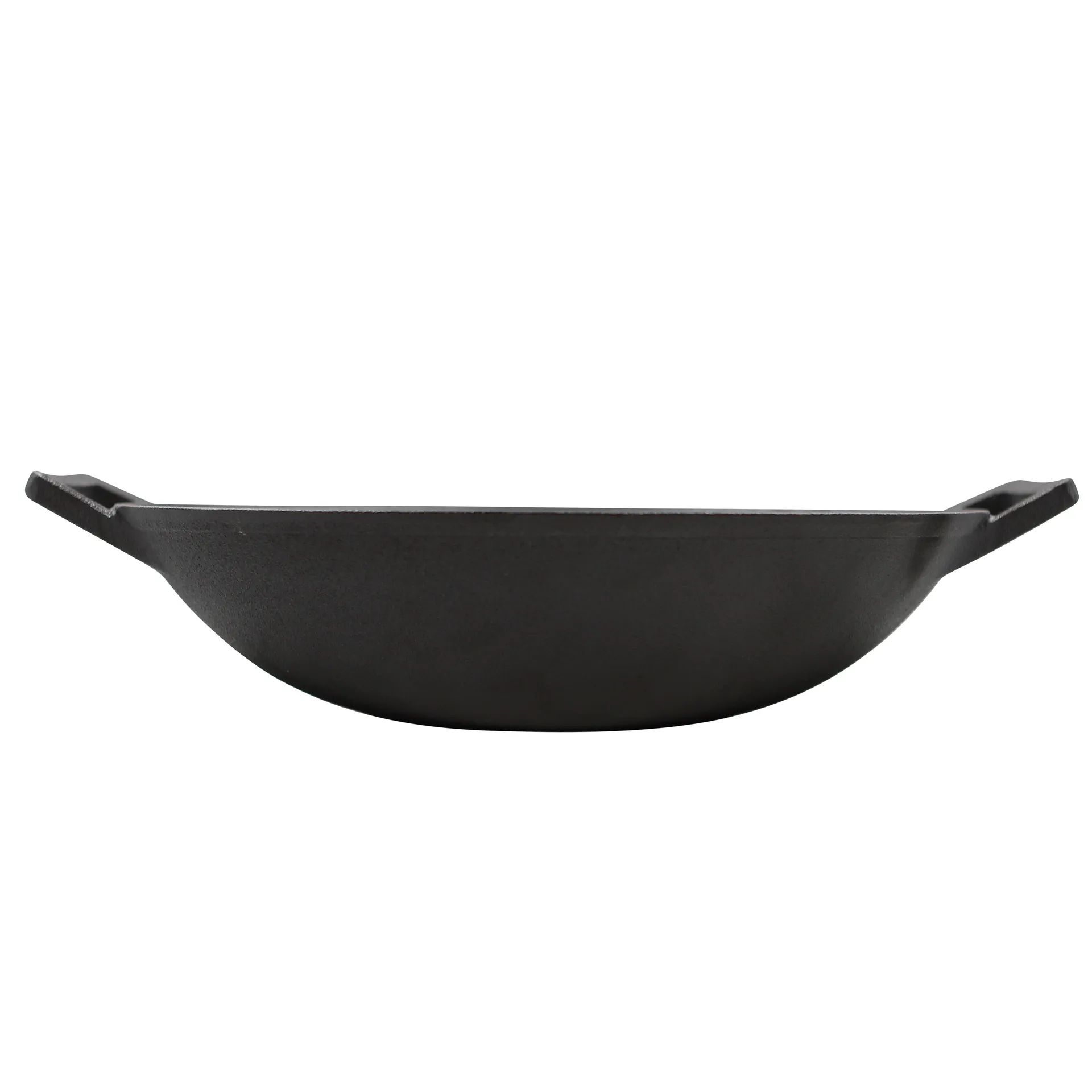
Cast iron care tips
- Never put cast iron in the dishwasher.
- Avoid sudden temperature changes (don’t run cold water over a hot pan).
- Preheat slowly on low to medium heat before you start cooking.
- Handles get hot — always use oven mitts.
- Cast iron pans are suitable for all stovetops, including induction.
- Never cut meat or other food directly in the cast iron pan.
- These pans are not microwave safe.
- Acidic food can weaken the seasoning, avoid cooking these foods until a good layer of seasoning has been built up.
Related products

Customer Service
Selection
Inspiration